What is it and where is it located in the Central Nervous System?
Estrogen is a hormone. According to James Kalat,
"hormones function more like a radio” it sends messages to anyone
listening (2013, p. 65). It is present in both male and female, however, it is
considered a female sex hormone.
Kalat stated that the central nervous system
consist of both the brain and spinal cord and its function is to send messages
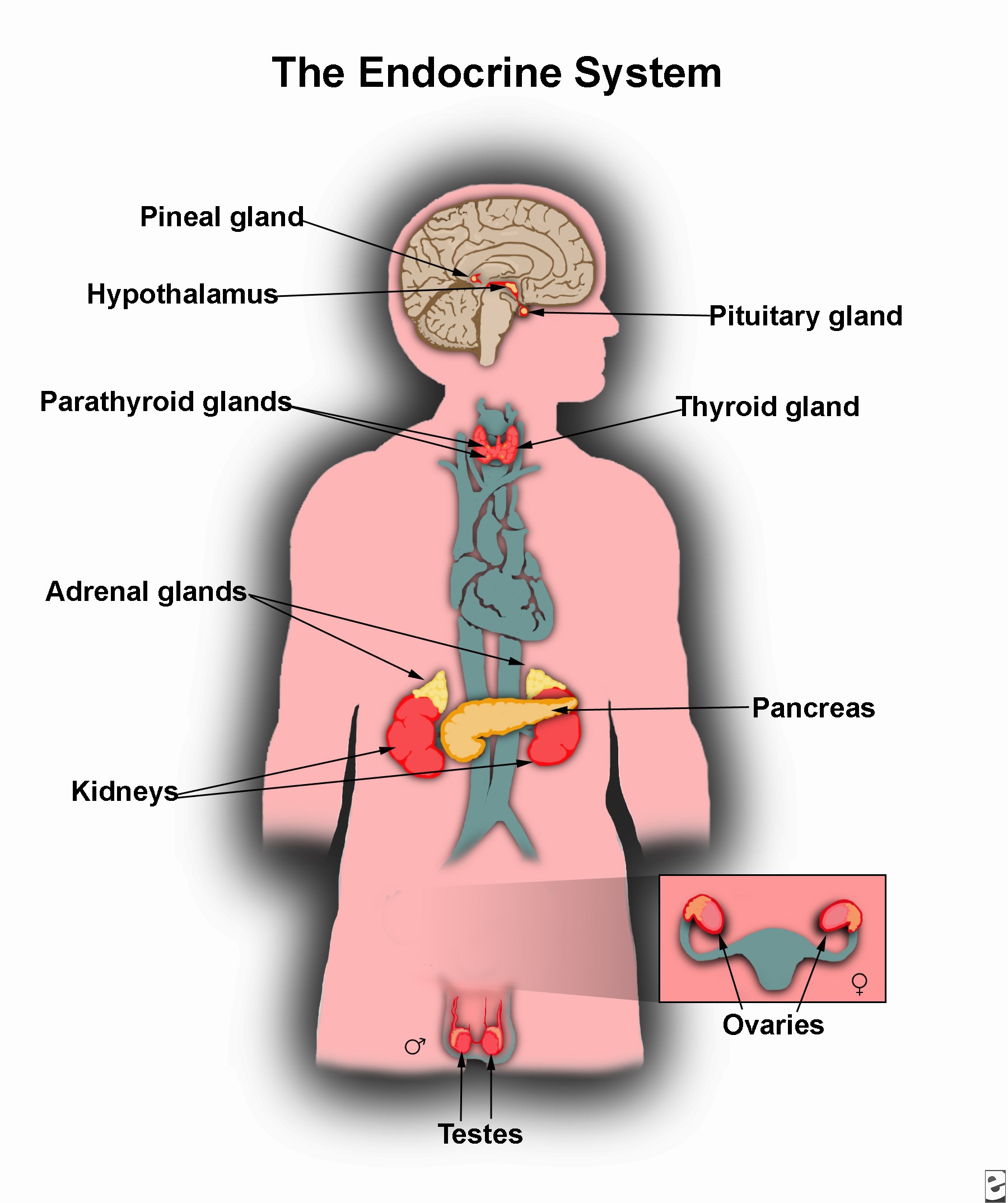
throughout the body. Estrogen is located in the pituitary gland of the central
nervous system. The pituitary gland is very small and is a part of the
endocrine system that controls growth and development in the body. It has two
parts: the anterior and posterior. The anterior part is “an extension of the
hypothalamus” which is in charge of "growth throughout the body"
(Kalat, 2013, p.65).
What is Estrogen's primary role or function?
According to Zebor (2015) estrogen's primary role is the
sexual and reproductive development of the female body. Estrogen's role is to
"control the growth of the uterine lining during the first part of the menstrual cycle, causes change in the
breast during adolescence and pregnancy and regulates various other metabolic
processes" (Manson, 2011, p. 1). In addition, during the reproductive
development, "the pituitary gland in the brain generates hormones that
cause a new egg to be released from its follicles each month. As the follicles
develops, it produces estrogen, which causes the lining of the uterus to
thicken" (Manson, 2011, p.1).
Where is Estrogen produced?
Hormones are produced in the endocrine system. According to JoAnn E. Mason, "estrogen is produced in the ovaries, adrenal glands, and fat tissue" (2015, p. 1). However, in male, estrogen is produced in the testis.

How is it related to a behavior, cognitive process or emotion?
According to Nivid Todd, "estrogen acts everywhere in
the body, including the parts of the brain that control emotion" (Todd,
2015, p.1). Estrogen is related to the increases of the production of both
serotonin and endorphins. However, Nivid Todd (2015), stated that during the
menstrual cycle, estrogen plays a big role in the different mood swings and
behavior. For instance, estrogen’s effect on female’s moods and behavior is
referred to as Premenstrual Syndrome (PMS).
Some physical symptoms of PMS is as follow: "bloating... breast
tenderness" and acne; while some emotions she may feel are: anger,
depression, sad, irritation, etc. (WebMD, 2015. p1). Although, experts believe
estrogen plays a major role in female’s behavior and emotion during the
menstrual cycle, they have not quite figured out how.
How Estrogen Effects the Female Body|What is Estrogen?
References
Estrogen and women’s emotion (2015). WebMD. Retrieved from
http://www.webmd.com/women/guide/estrogen-and-womens-emotions
Kalat, J.W. (2013). Chapter 3 synapses. Biological
Psychology 11th ed. California: Wadsworth,
Cengage
Learning, 2013.
Manson, J.E. (2011). Estrogen. Healthy Women. Retrieved from
www.healthywomen.org/condition/estrogen